Why invest in Tbilisi in 2026?
Growth, rental yields, taxation and rising prices: the figures behind investors' interest in Georgia's capital.
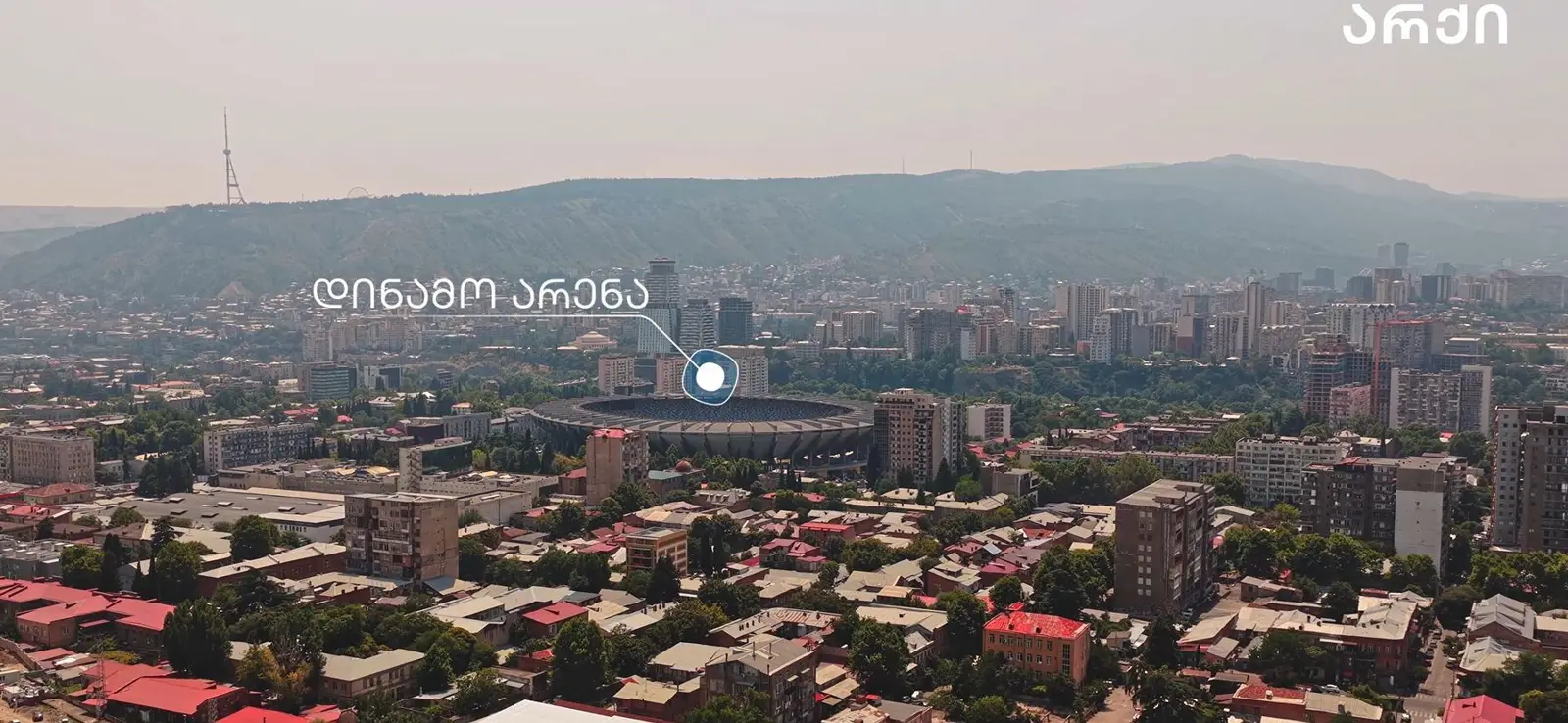
Tbilisi is attracting a growing number of European and international investors. Here are the key figures that explain why, and the points to watch.
One of the most dynamic economies in the region
Georgia's real GDP grew by 7.5% in 2025 (Geostat). Tourism hit an all-time record with 5.5 million international tourists. This momentum drives strong rental demand, also supported by expats, digital nomads and young professionals.
High rental yields
The average gross rental yield in Tbilisi is 8.5% (Galt & Taggart, 2026). Studios are the best-performing format, around 8% on long-term lets. With short-term rentals, a well-located and well-managed property can target 10–15% gross. By comparison, average yields are around 4–5% in France.
Strong price growth
Prices per m² in Tbilisi rose from about $900–1,000 in 2020 to $1,500–1,600 in 2025, an increase of roughly 70%. New builds gained 11.6% in 2024 alone.
A simple framework for foreigners
- Full freehold ownership in your own name, with no nationality restrictions.
- Title registered at the public registry, usually within one day.
- 5% tax on rental income for a registered individual landlord.
- No capital-gains tax after 2 years of ownership.
The Dubai parallel
In 2018, a square metre in Dubai cost about $3,350 on average. By 2024 it exceeded $5,300. Tbilisi now shows comparable signals (demand above supply, major projects, foreign inflows) with an entry price of around $1,800 per m² at pre-sale.
Points to watch
Like any emerging market, Georgia carries risks: currency movements (prices are in dollars), the choice of developer and location, and the quality of rental management. That is exactly EBA Invest's role: selecting solid developers and supporting you at every step.
Sources: Geostat, Galt & Taggart, Global Property Guide, Georgian National Tourism Administration. Past performance does not guarantee future results.